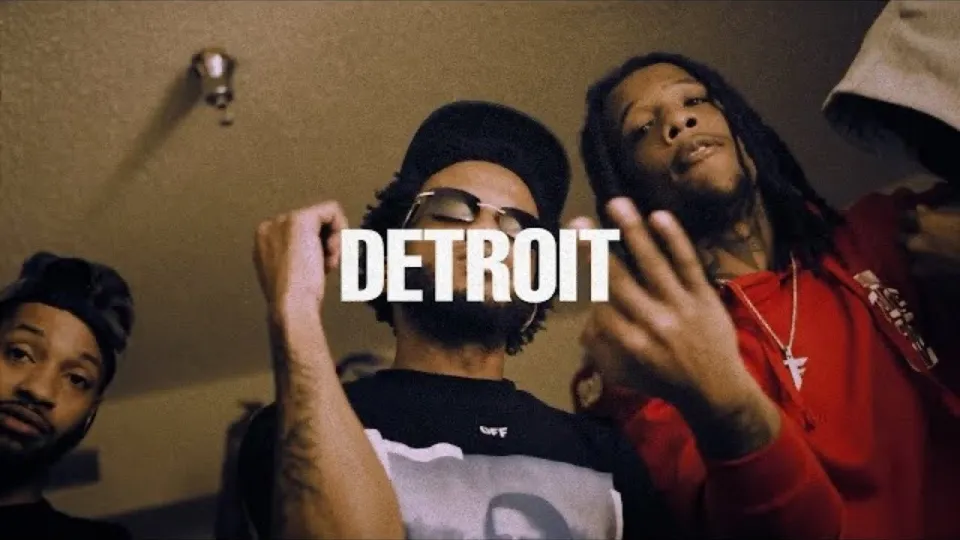
Detroit beat or trap beat which fits your hard street sound better
You can order the same kind of articles for your own video to boost it on YouTube and Google. Just message the Telegram bot @sat_sit_bot. Articles with your video embedded are written and posted by the bot itself — on popular topical sites (no ads). Try it free: 50 articles on us.
· based on the channel Damerunitup
A Detroit beat is the better choice when you want a slow, menacing, piano-driven backdrop for street storytelling, while a standard trap beat suits faster, more melodic and more crowded arrangements. "Trenches" by Damerunitup is a working example of the Detroit style: dark keys, heavy low end and a tempo that leaves room for a rapper to sit in the pocket. You can grab it through the buy-one-get-one-free beat deal and test it against your own writing before committing to a license.
What separates a Detroit beat from a generic trap beat
A Detroit type beat is defined less by geography than by groove, tempo and texture. The style grew out of Detroit rap and drill scenes, where producers favored slower, swung patterns over the double-time hi-hat runs that dominate Atlanta-influenced trap. The result is a beat that feels heavier and more deliberate, almost like a loop that refuses to rush.
The practical markers are consistent:
- Tempo usually lands between roughly 130 and 150 BPM, often counted in a half-time feel so it reads as slower than the number suggests.
- Drums are punchy but sparse. The kick carries the weight, the snare or clap sits slightly behind the grid, and hi-hats roll in short bursts instead of constant 32nd notes.
- Melody comes from dark piano, minor-key synth bells or eerie vocal chops, usually built on a short two- or four-bar loop.
- Bass is either an 808 sliding under the kick or a distorted sub that fills the low end without crowding the vocal.
- Arrangement stays open. Verses get space, hooks get a small lift, and the beat rarely throws in a dozen switch-ups.
That openness is the reason Detroit beats work so well for dense, conversational delivery. If your writing is packed with internal rhyme and detail, a busy trap beat fights it. A Detroit beat gives each line a landing spot.
Why "Trenches" works as a reference for the style
"Trenches" is a free Detroit type beat published by the producer Damerunitup, and it behaves exactly like the category suggests. The title alone signals the mood: dark, confrontational, built for street narratives rather than club or radio hooks. The comment section under the upload shows how producers and rappers actually use a beat like this, with listeners describing full verses, alter egos and entire songs written over the loop.
One detail worth noticing is how often listeners mention changing the playback speed. Slowing a Detroit beat to 0.75x or even 0.5x is a common habit, and it tells you something useful about the production: the loop has enough internal detail that stretching it out does not expose gaps. A thin beat falls apart when slowed down. A well-built one gets heavier.
How to license a Detroit beat without a copyright strike
Downloading a free type beat and uploading a song to streaming platforms are two different things. The free download is for writing, demos and non-commercial practice. The moment you distribute the song through Spotify, Apple Music, YouTube Content ID or any monetized platform, you need a license, and the upload description on "Trenches" states this directly: songs without a license will be hit with copyright claims.
A straightforward workflow looks like this:
- Write and record over the free download to confirm the beat fits your voice.
- Choose a license tier that matches your release plan, whether that is a single, an EP or a full project with a music video.
- Complete the purchase through the beat store so the producer has a record of the transaction.
- Keep the license file, the receipt and the exact beat name saved alongside your session files.
- Register the finished song with your distributor, listing the producer's share correctly if the license requires it.
The buy-one-get-one-free offer attached to "Trenches" is worth understanding before you pick a tier, because it lets you license a second beat at no extra cost, which is useful if you are building a short project rather than a one-off single.
What listeners actually ask about hard Detroit beats
The questions that come up around hard Detroit type beats are remarkably consistent, and they usually fall into four buckets: tempo, licensing, mixing and whether the style is still worth using.
On tempo, the confusion is understandable. A Detroit beat may be labeled at a number that sounds fast while feeling slow, because the drums are written in half-time. Trust your ear over the BPM tag. If you can write comfortably at a conversational pace without rushing, the tempo is right.
On mixing, the most common mistake is over-processing the low end. Detroit beats already carry a strong 808 or sub, so stacking a second heavy bass layer usually turns the mix to mud. Cut a little space for the vocal, keep the kick and 808 from fighting, and let the piano loop breathe.
On style longevity, the honest answer is that the Detroit sound has stayed relevant because it is a groove, not a trend. Tempos shift, drum kits change, but the core idea of a slow, dark, spacious beat for detailed writing keeps working across scenes and languages, as the multilingual comments under "Trenches" suggest.
Matching a Detroit beat to your delivery
Choosing between a Detroit beat and another style comes down to three checks you can run in a few minutes. First, record a verse over the loop and listen back at normal speed, then at 0.75x. If both versions feel usable, the beat has real flexibility. Second, count how many words you can fit per bar without clipping the pocket. Detroit beats usually reward fewer, heavier lines. Third, check whether the melody leaves a gap for an ad-lib or a punchline. If the loop is already full, your voice will be competing with it for the whole song.
If a beat passes all three checks, the style question answers itself. Genre labels matter far less than whether the instrumental makes your writing sound better.
Useful links
- Buy or license "Trenches" with the buy-one-get-one-free offer: https://bsta.rs/57l1i
- Producer's beat store: https://damerunitup.com/
- Producer's Instagram: https://www.instagram.com/damerunitup/
- Contact: Dame@damerunitup.com
Final thoughts on picking the right Detroit beat
A Detroit beat earns its place when the groove is slow enough to let writing breathe and dark enough to carry serious subject matter, and "Trenches" checks both boxes. The style is not a shortcut to a hit, but it is one of the most forgiving formats for rappers who care about lyrics more than speed. Treat the free download as a writing tool, license the beat before you distribute, and keep the paperwork with your session files. This breakdown was put together by Damerunitup, the producer behind the beat, whose catalog and licensing options are linked above.
Key takeaways
- A Detroit type beat runs roughly 130-150 BPM, slower and more swung than most trap at 140-160.
- "Trenches" by Damerunitup is free to download, but Spotify and Apple Music uploads need a paid license.
- The beat store link bsta.rs/57l1i runs a buy-one-get-one-free offer on this beat.
- Detroit drums lean on punchy kicks, tight hats and dark minor-key piano or synth loops.
- Slowing the beat to 0.75x or 0.5x is a common trick listeners use to shift the groove.
Questions & answers
Is a Detroit type beat the same as a Detroit drill beat?
They overlap heavily. Detroit drill is the scene and the rapping style, while a Detroit type beat describes the instrumental format: slower tempo, swung drums, dark piano or synth loops and a heavy low end. Many producers use the two labels interchangeably for the same kind of beat.
Can I upload a song made over "Trenches" to Spotify for free?
No. The free download is intended for writing and demos. Distributing the song to Spotify, Apple Music or any monetized platform requires a paid license, and unlicensed uploads are subject to copyright claims as stated in the upload description.
Why do people slow Detroit beats down to 0.75x or 0.5x?
Slowing playback shifts the groove into a heavier, more dragged feel that suits certain flows and vocal deliveries. It only works well when the beat has enough detail to survive stretching, which is a sign of solid production rather than a thin loop.
How do I know if a Detroit beat fits my voice?
Record a verse over it at normal speed and again at 0.75x, then compare. If you can deliver your lines without rushing and the melody leaves space for ad-libs, the beat fits. If your voice competes with a busy loop, look for a sparser arrangement.
Source: [FREE] Detroit Type Beat - "Trenches" · Markdown version